Ignite Your Off-Season: Proven Strategies to Boost Speed for Young Athletes
May 25, 2025
The off-season isn't just a break—it's a golden opportunity for middle and high school athletes to enhance their speed and set the stage for a standout season ahead.
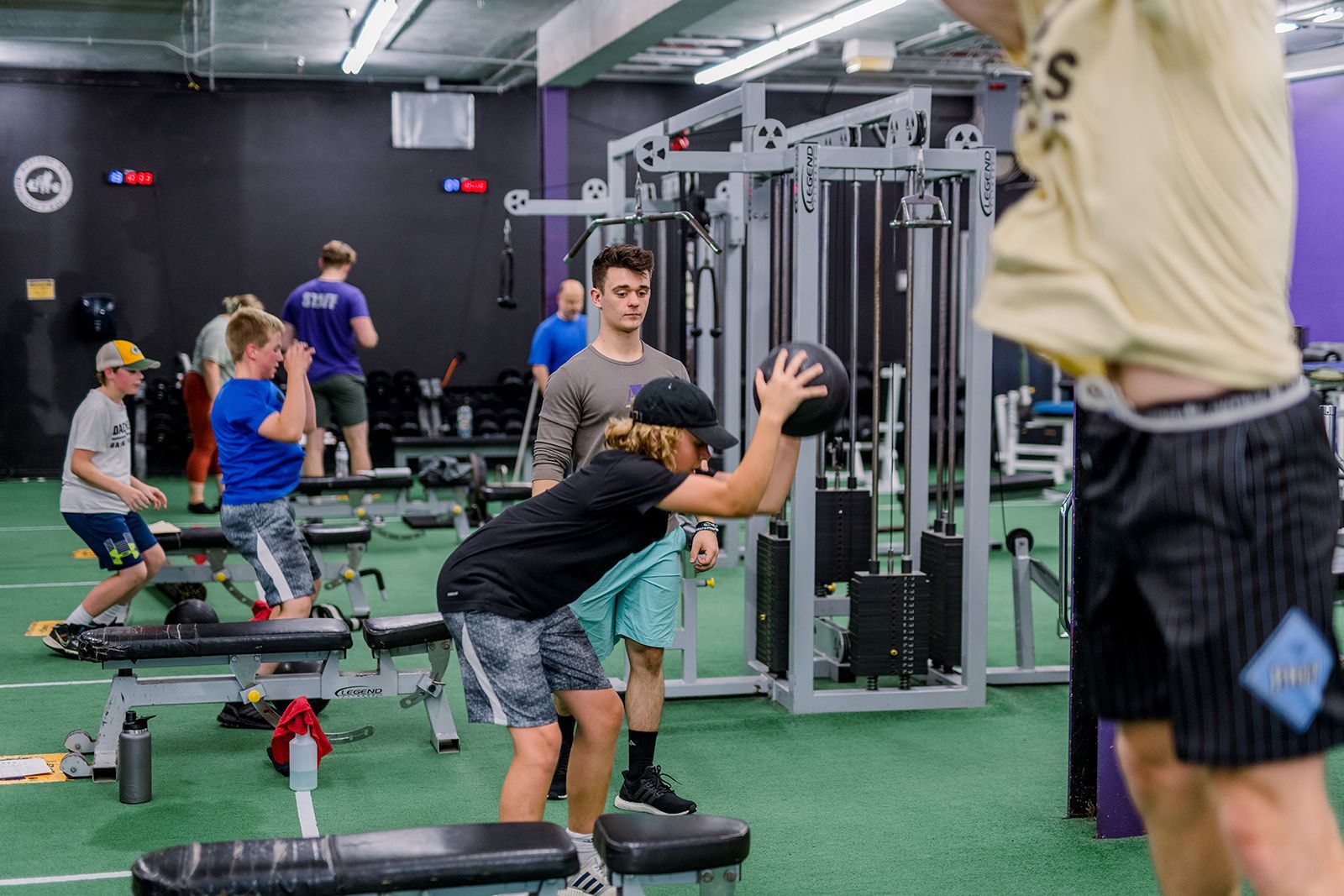
Whether you're a sprinter, a football player, or a court sport athlete, speed can be a game-changer. The good news? With the right focus and consistency, you can make serious gains in your speed in as little as 12 weeks. Here are three proven tips to help you run faster and perform better — backed by sports science and real-world results.
1. Build Strength Where It Counts
Speed starts with strength — particularly in your posterior chain (hamstrings, glutes, and lower back). Strength training not only helps you produce more force against the ground but also improves your stability and injury resilience.
- Focus on compound lifts like squats, deadlifts, hip thrusts, and lunges.
- Train explosively — think trap bar deadlifts with speed, or Olympic lifts if you're trained.
- Don’t forget unilateral work to address imbalances (like Bulgarian split squats).
Goal:
Aim for 2–3 full-body strength sessions per week. Progressively overload to build power, not just bulk.
2. Use Plyometrics and Jump Training
Plyometric exercises condition your body to react faster and more powerfully — perfect for developing that explosive first step and overall sprint speed.
- Include bounding, hurdle hops, box jumps, and depth jumps.
- Start with low volume and focus on quality, not quantity.
- Use them before your main strength work or sprinting sessions when your nervous system is fresh.
Goal:
2 sessions per week with 4–6 plyometric drills, keeping total contacts (jumps/landings) between 60–100 per session for most intermediate athletes.
3. Sprint Drills & Coaching = Better Mechanics
Speed is a skill. If your mechanics are off, you’re leaving performance on the table. Sprint drills and technical coaching are the fastest way to refine your movement.
- Add drills like A-skips, B-skips, wall drives, and resisted sled sprints.
- Get video feedback or work with a speed coach to correct inefficiencies.
- Use short sprints (10–30 meters) to develop acceleration, and longer sprints (30–60 meters) for max velocity.
Goal:
2–3 sprint sessions per week. Keep volume low, intensity high, and rest long to maintain quality.
Wrap-Up:
Combine strength training, plyometrics, and sprint-specific drills for a powerful 3-part approach to speed. Stay consistent, track your progress, and you’ll be moving faster — and feeling better — in 12 weeks or less.
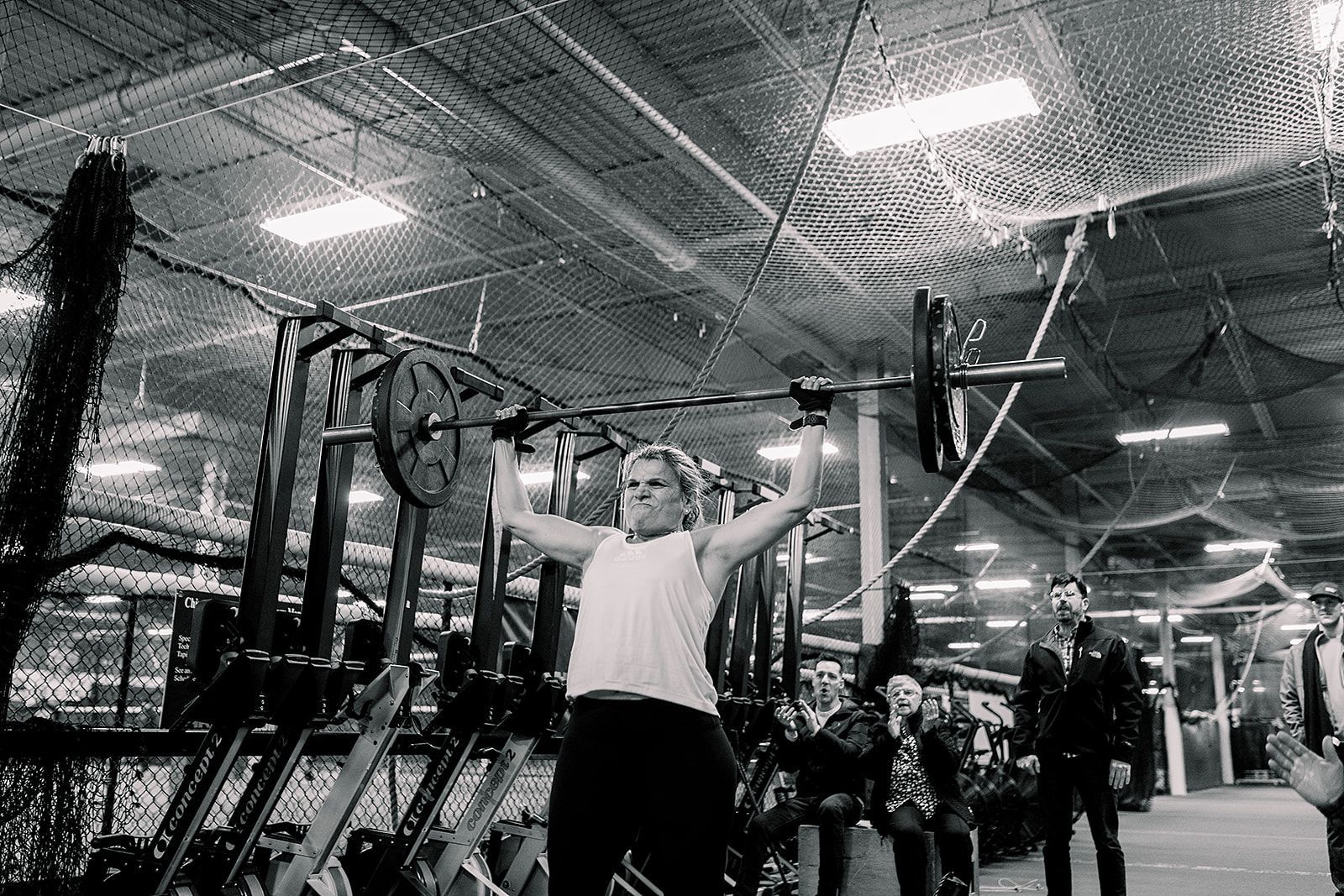
If you're searching for the best CrossFit gym in Buffalo , you're probably ready to make a change. But with several gyms to choose from, how do you know which one is the right fit?
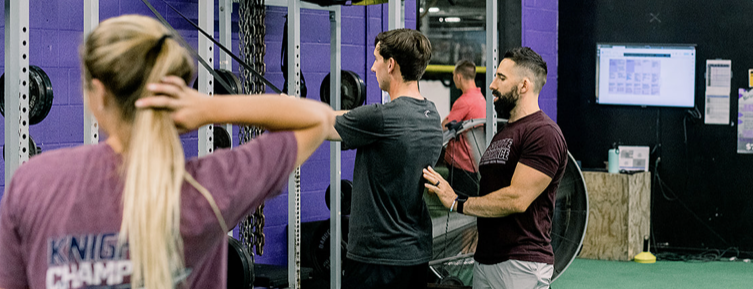
High school athletes: learn how offseason training builds speed, strength, and performance so you’re ready for next season—not catching up.
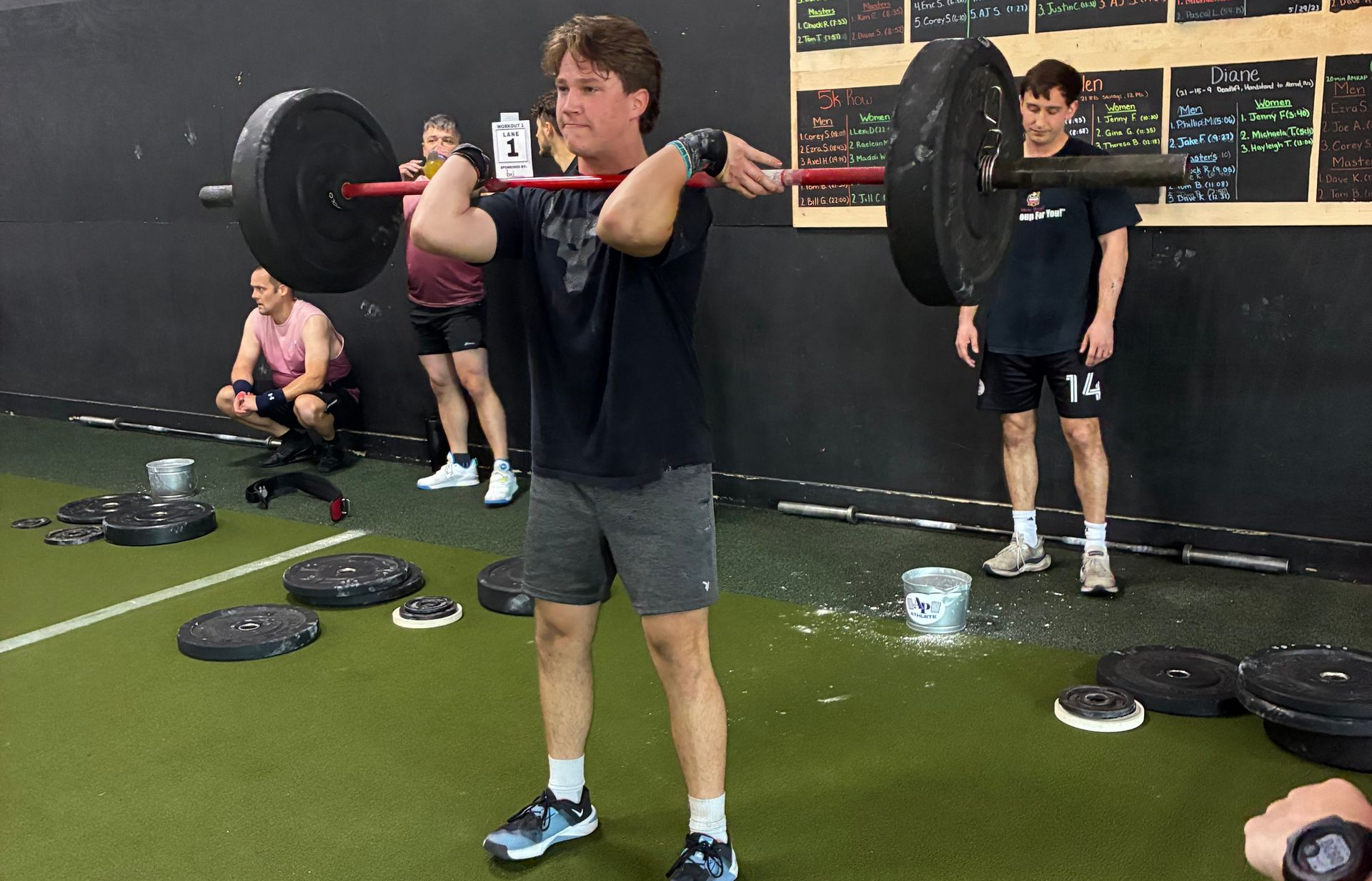
Learn what everyday athletes can take from CrossFit Games athletes including consistency, mindset, and functional fitness training principles.
Discover the benefits of personal training, accountability, and strength coaching. Learn how a trainer can help you get results faster.
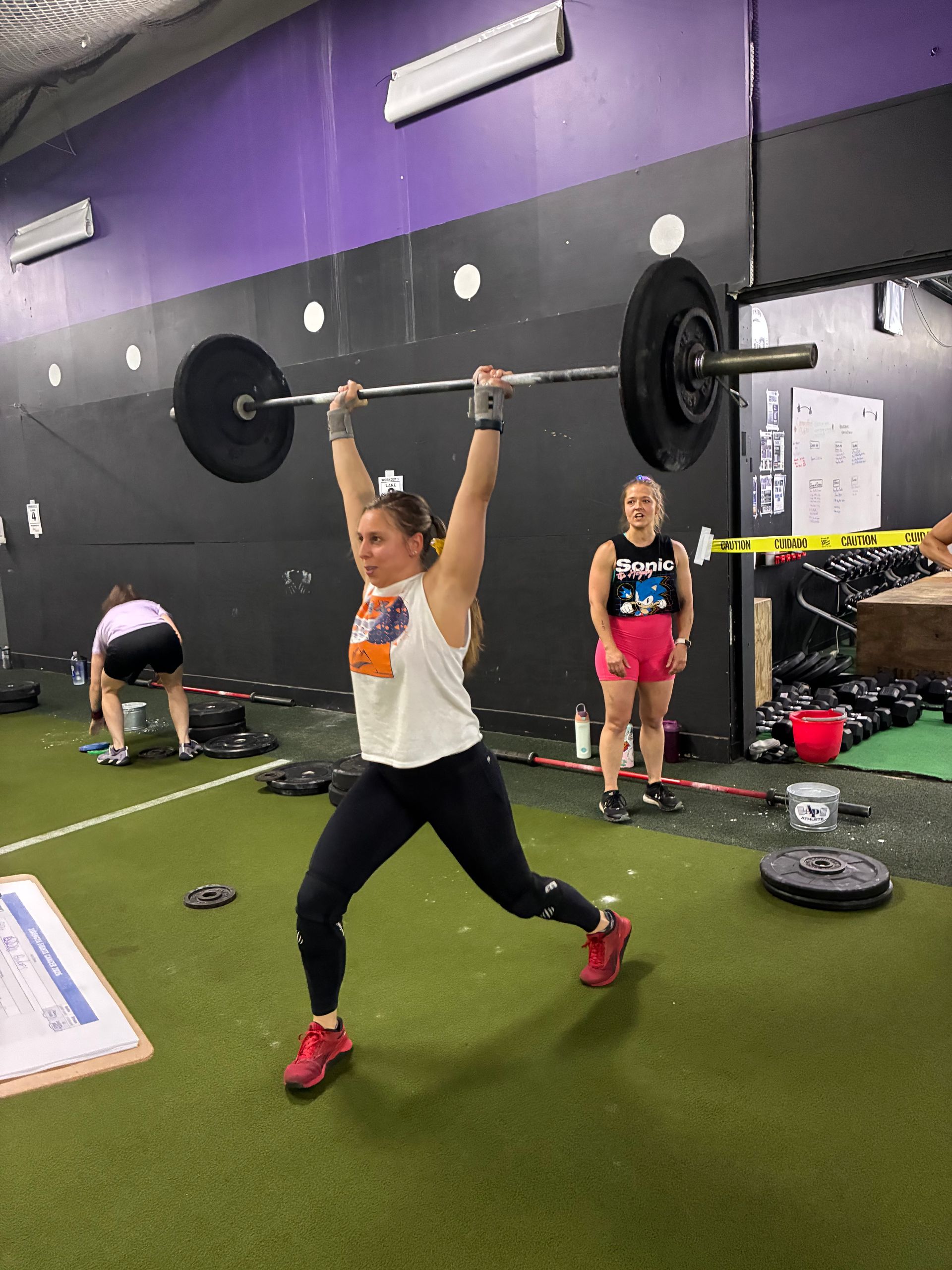
Learn why the CrossFit Games matter, how athletes qualify, and where to watch the 2026 CrossFit Games live this August.
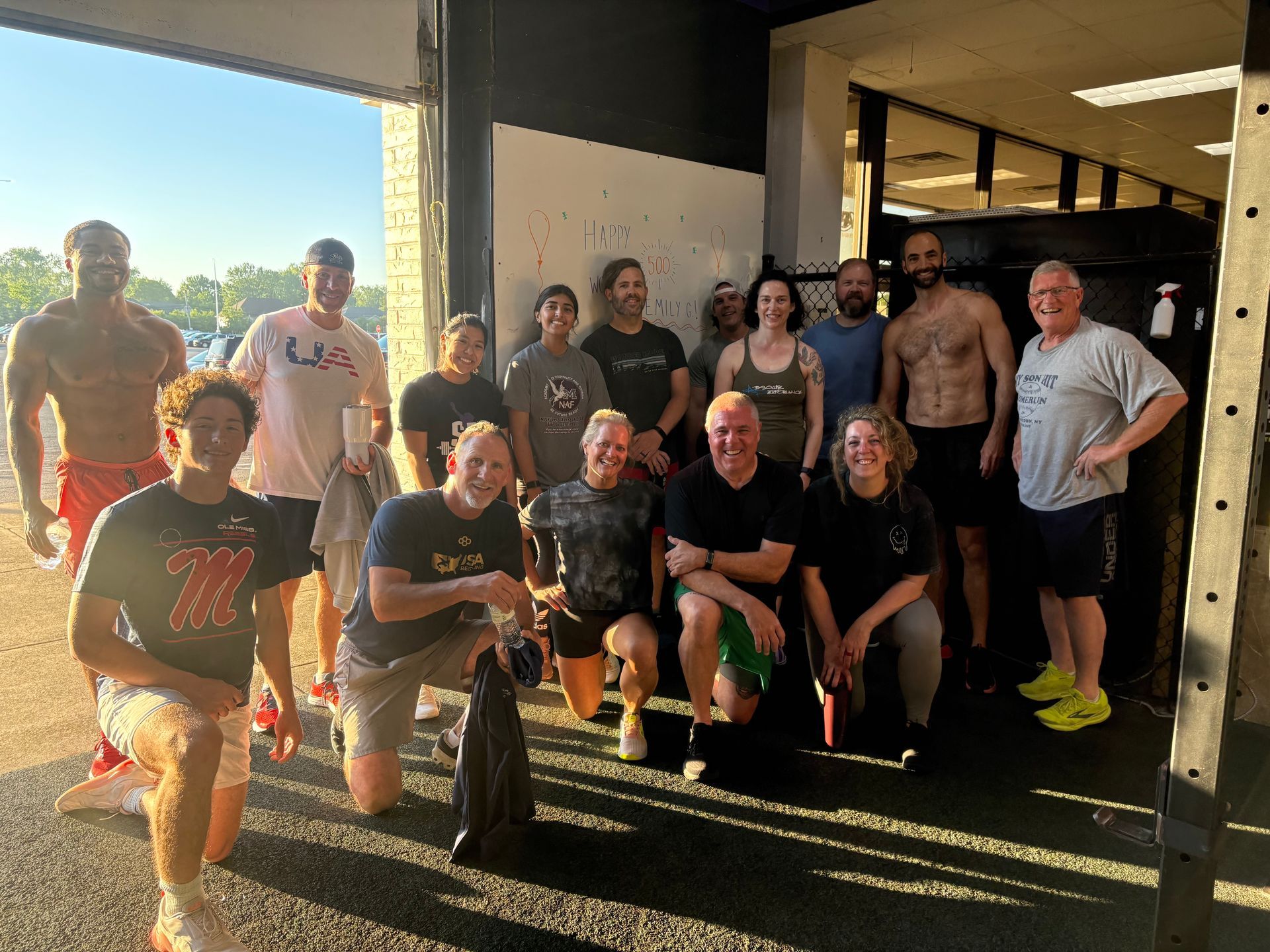
Make fitness a family lifestyle this summer. Discover workouts for parents and kids to train together, build habits, and stay active all season.
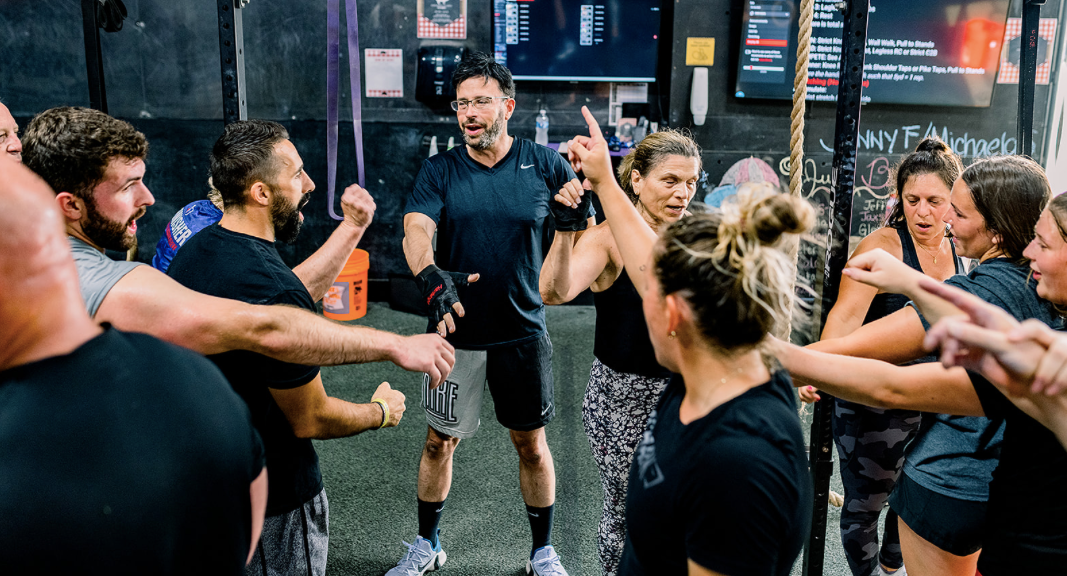
Discover the top group fitness benefits and how a strong CrossFit community helps you stay consistent, get results, and enjoy every workout.
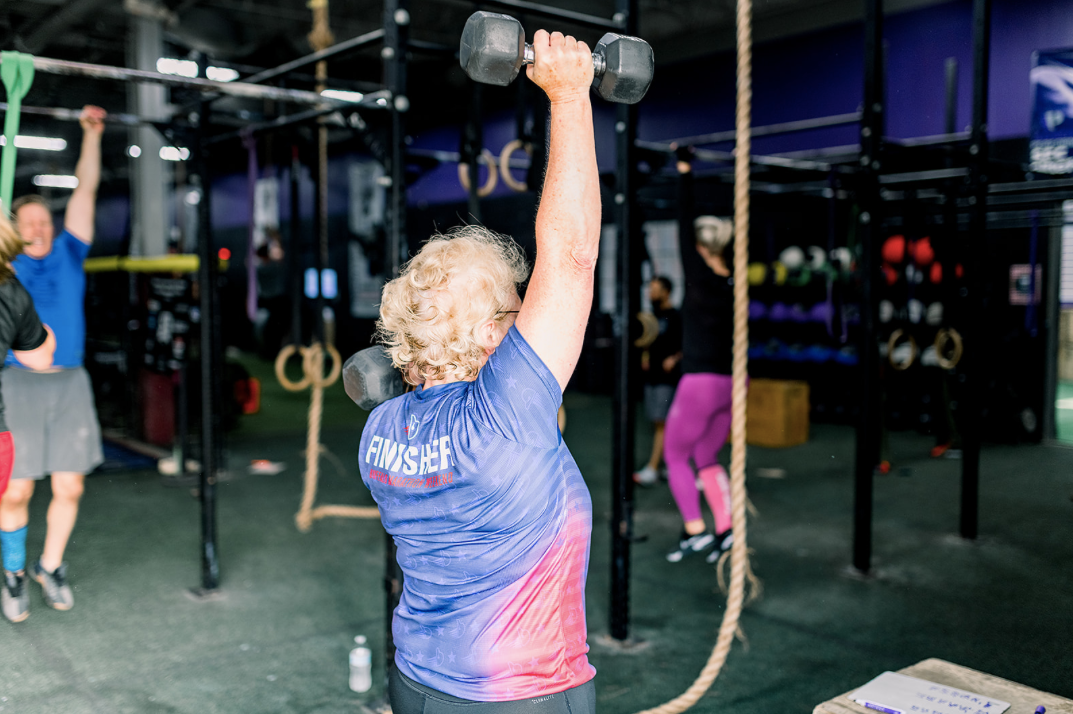
Discover how fitness after 50 leads to strength, confidence, and energy. Real stories of senior fitness success that inspire all ages.
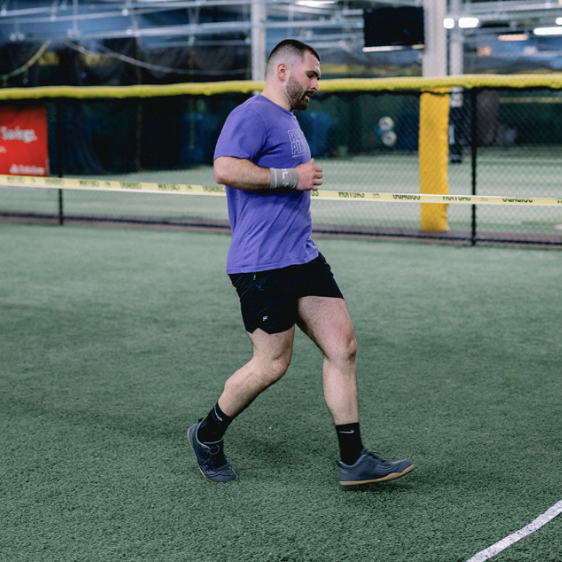
Wondering how often you should workout? Discover the ideal workout schedule for beginners, members, and 55+ to see results without burnout.
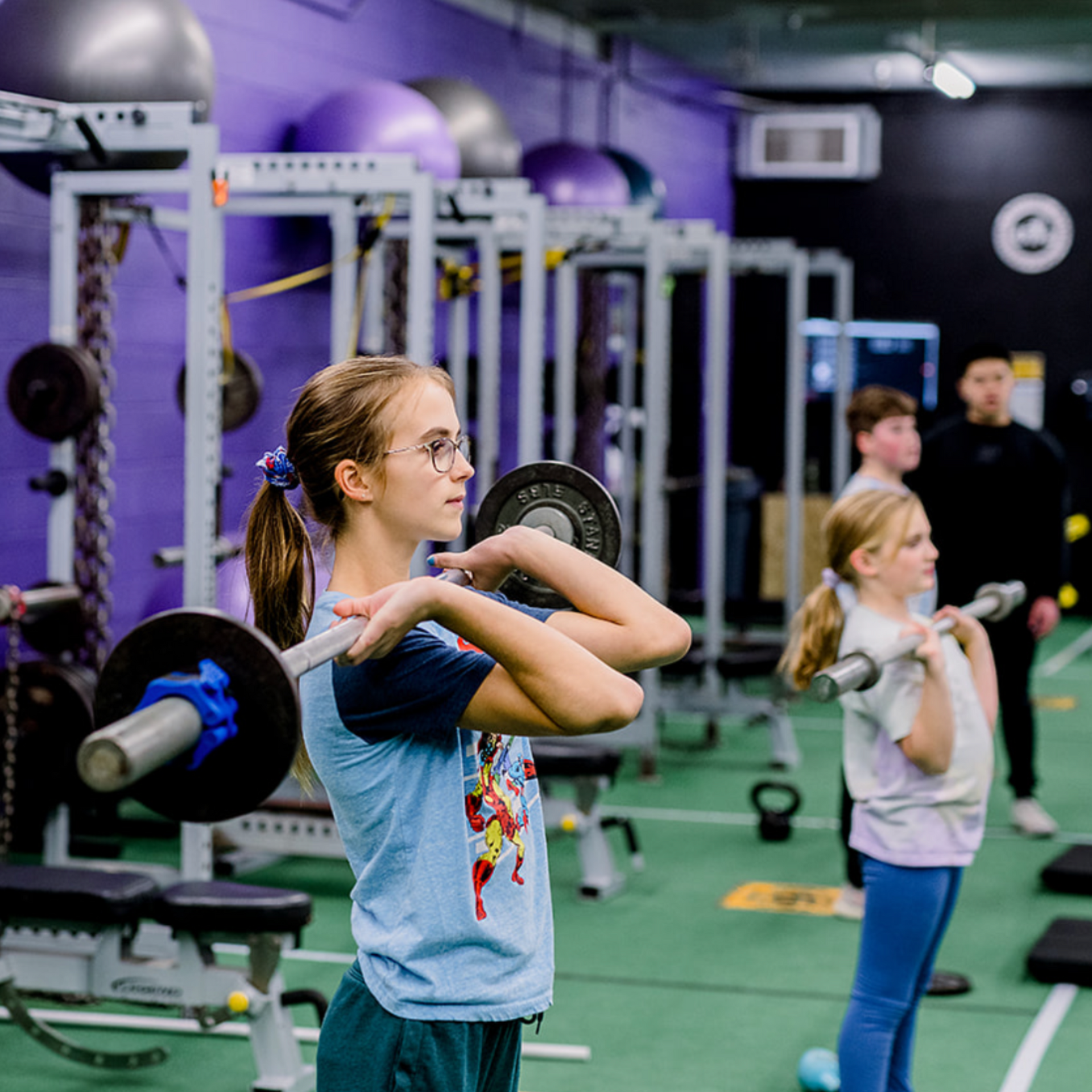
Is youth strength training safe? Learn the truth about kids lifting weights and how it builds confidence, strength, and long-term health.