From Playground to Podium: Helping Kids Develop Athletic Skills with CrossFit
November 17, 2025
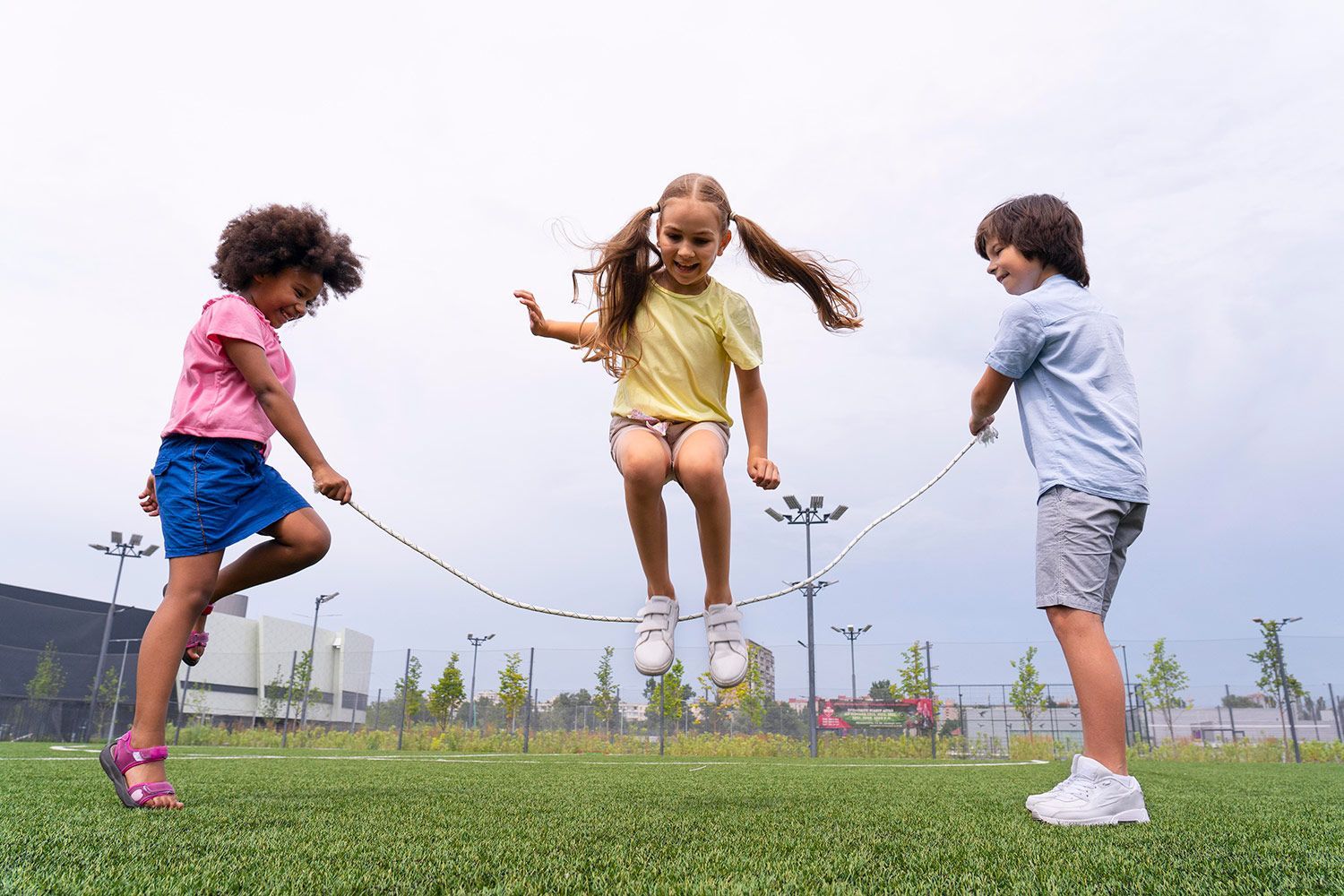
When kids race across the playground, leap off swings, climb jungle gyms, or hop between stones, they're not simply playing—they’re naturally practicing the foundational movements that underpin athletic development. Programs like CrossFit for youth harness this innate instinct for movement and channel it into purposeful growth. In this blog post, we'll outline how a child can travel from playground-style free movement all the way to podium-level readiness by taking part in a well-designed kids CrossFit program.
Why the Playground Moves Matter
Children instinctively run, jump, climb, crawl and swing—movements that mirror the functional patterns used in coaching youth fitness. These foundational movement skills build coordination, balance, body awareness and mobility.
When we package these movements in a fun, age-appropriate way, kids stay engaged and develop athletic competence naturally.
By bridging the gap between play and structured training, youth CrossFit helps kids consolidate a strong movement foundation. This means that when they later engage in sports, organized training, or higher-level fitness, they’re already equipped with the basics.
The Benefits of a Youth-Focused CrossFit Approach
A dedicated kids CrossFit program offers several key advantages:
- Improved athletic capacity → When kids train with varied, functional movements (running, hopping, carrying, jumping), they build strength, speed, balance and endurance.
- Better movement literacy → Learning proper mechanics early helps children move more efficiently, reducing risk of injury and improving performance across sports.
- Confidence and mindset → As children master new skills, they gain self-belief, resilience, and learn that progress comes through effort and practice.
- Healthy habits for life → Early exposure to structured movement, fitness and positive coaching fosters lifelong attitudes toward health, activity and personal growth.
- Social skills & teamwork → Many youth classes use partner or group work, building communication, leadership and camaraderie among young athletes.
Progression: From Free Play to Structured Performance
Let’s break down the journey into stages, to give coaches and parents a clear roadmap.
1. Exploration & Fun (Ages ~5-8)
- Focus: Getting kids moving and playing, reinforcing basic movement patterns (run, jump, hop, crawl).
- Environment: Minimal equipment, short sessions, lots of games and movement variability.
- Goal: Build comfort in moving their bodies, exploring what the body can do, and beginning to control motion and space.
2. Skill Building & Basic Strength (Ages ~8-12)
- Focus: Introducing body-weight strength (squats, lunges, carries), light resistance, coordination drills, agility.
- Environment: Structured warm-ups, short skill blocks, fun workouts with challenges.
- Goal: Improve movement quality, build the “engine” for athletic performance, reinforce the habit of showing up and training.
3. Performance-Ready & Sport Transfer (Ages ~12-Teen)
- Focus: More advanced strength training (light barbells, kettlebells), plyometrics, agility/speed work, sport-specific drills.
- Environment: Longer sessions, goal setting, measurable benchmarks, peer support and friendly competition.
- Goal: Develop an athletic foundation that supports sport performance or higher-level fitness, prepare for transitions (e.g., high school sport, competitive programs).
What Coaches and Parents Should Focus On
- Age-appropriate instruction: Make sure the coach and program scale movements, loads and complexity to a child’s stage of development.
- Movement quality over load: Emphasize form and control before adding weight or speed—especially for younger children.
- Fun, variation & progression: Kids thrive when workouts feel like games and challenges rather than chores. Vary activities and progress complexity gradually.
- Positive coaching environment: Encourage, celebrate effort and improvement, cultivate a growth mindset rather than just outcomes.
- Connection to sport or life skills: Help children see how what they’re doing translates into sports, play, life activities (running faster, jumping higher, being more agile).
- Safety & supervision: Qualified coaches, age-appropriate equipment, clear instruction and attentive oversight matter a lot.
- Consistency & mindset: Frequent engagement, incremental progress, and reinforcement of habits matter far more than occasional “big” sessions.
Ready for the Podium: What That Looks Like
“Podium” might mean different things depending on the child: It could be winning a medal, attaining a school sports starting spot, improving performance, or simply moving and feeling confident in their body.
Here’s what “podium readiness” might look like for a youth CrossFit athlete:
- They can perform foundational movements (squat, hinge, push, pull, carry) with confidence and good mechanics.
- They demonstrate improved agility, speed, power (jumping, sprinting, changing direction) that transfers into their sport or play.
- They show mental resilience: they’re willing to try new movements, fail, correct, and improve.
- They understand habits of nutrition, recovery, movement—not because they’re told, but because they live them.
- They engage with peers, support one another, enjoy workouts, and see fitness as part of their identity.
Final Thoughts
Helping children move from playground fun to podium-level readiness isn’t about rushing them into heavy weights or complex training too soon. It’s about guided progression, fun movement, skill development, and empowering them to believe in what their body can do.
When we get the foundation right, kids who engage in a well-designed CrossFit youth program gain much more than fitness: they gain confidence, resilience, movement competence, and habits that will serve them long beyond childhood sports.
If you're searching for the best CrossFit gym in Buffalo , you're probably ready to make a change. But with several gyms to choose from, how do you know which one is the right fit?
High school athletes: learn how offseason training builds speed, strength, and performance so you’re ready for next season—not catching up.
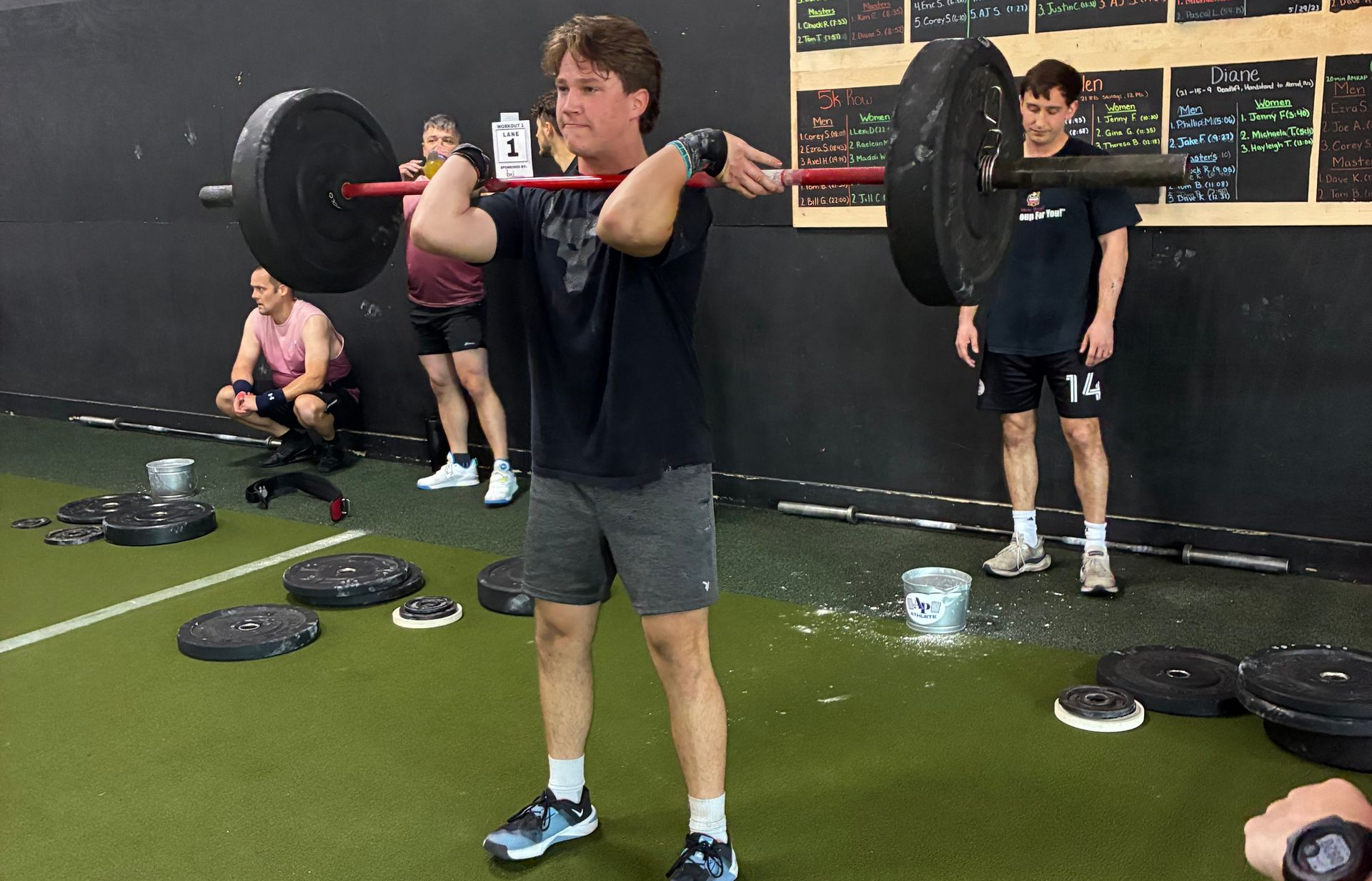
Learn what everyday athletes can take from CrossFit Games athletes including consistency, mindset, and functional fitness training principles.
Discover the benefits of personal training, accountability, and strength coaching. Learn how a trainer can help you get results faster.
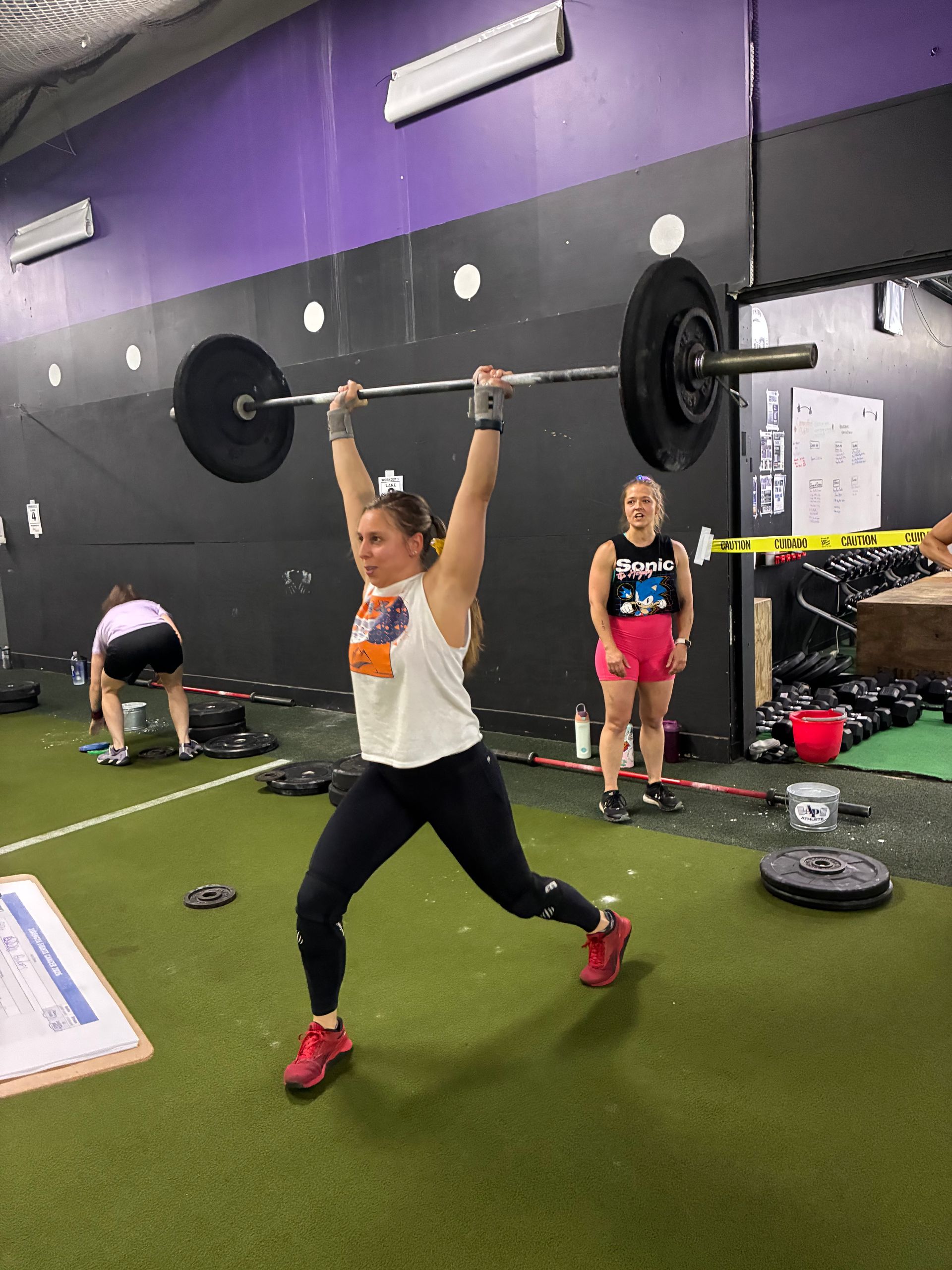
Learn why the CrossFit Games matter, how athletes qualify, and where to watch the 2026 CrossFit Games live this August.
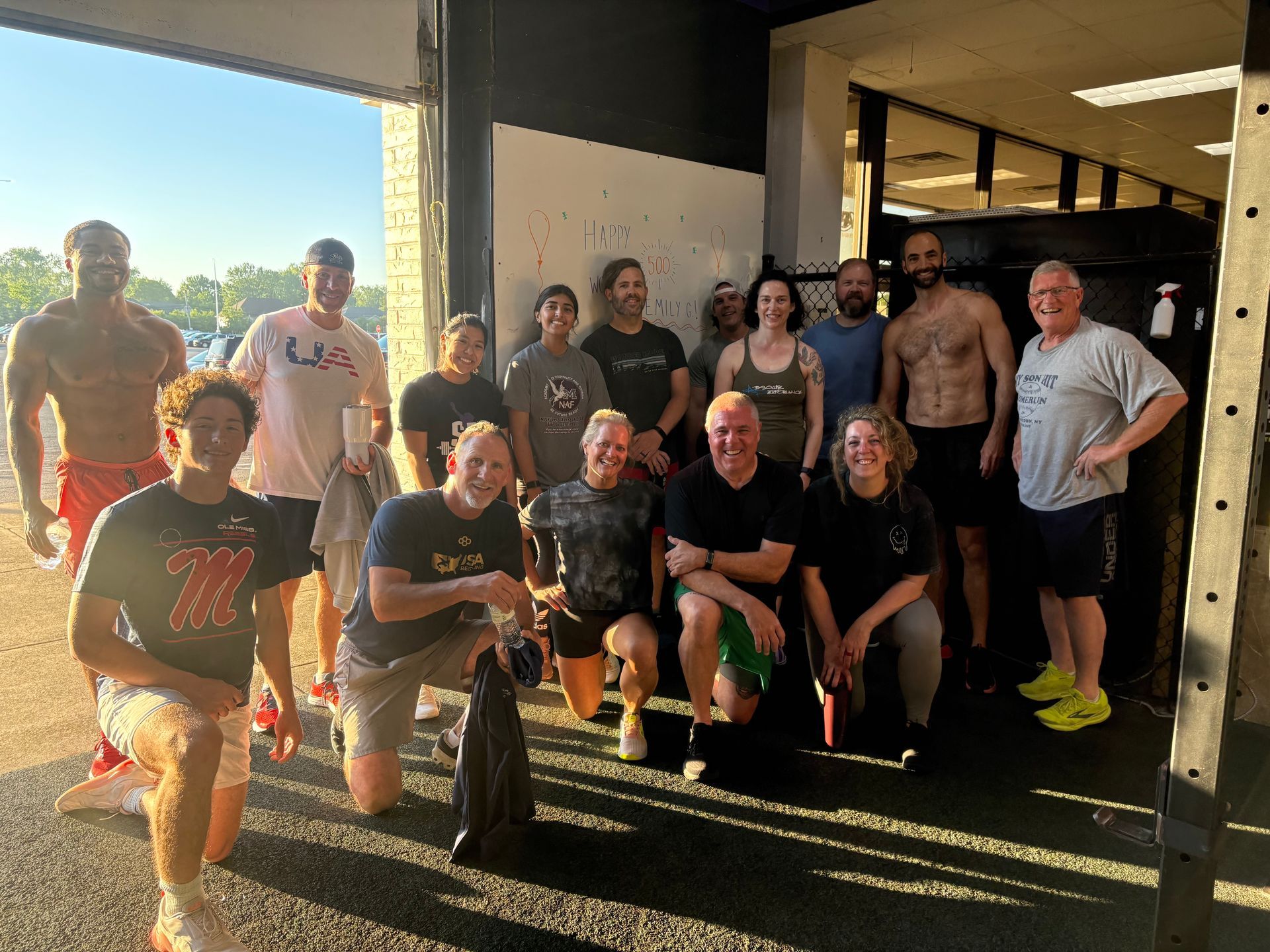
Make fitness a family lifestyle this summer. Discover workouts for parents and kids to train together, build habits, and stay active all season.
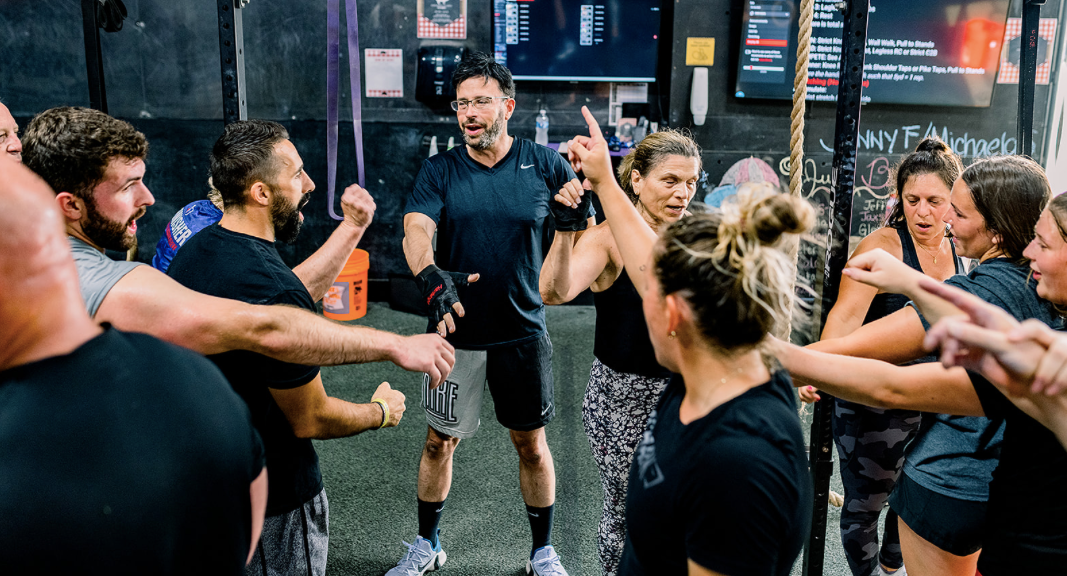
Discover the top group fitness benefits and how a strong CrossFit community helps you stay consistent, get results, and enjoy every workout.
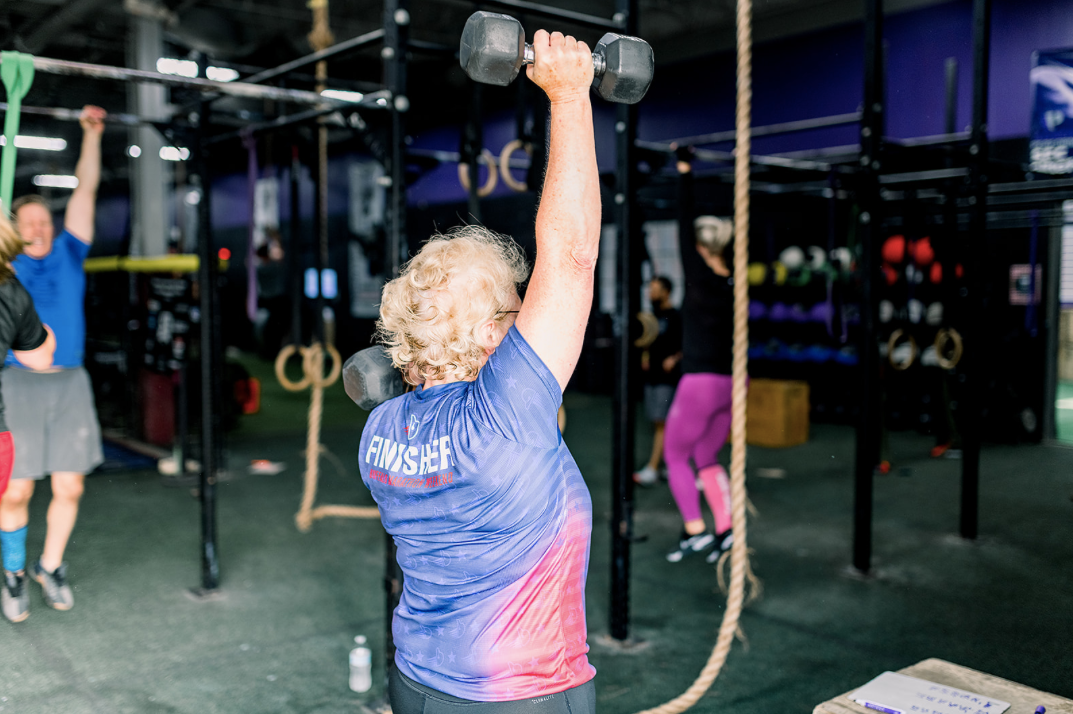
Discover how fitness after 50 leads to strength, confidence, and energy. Real stories of senior fitness success that inspire all ages.
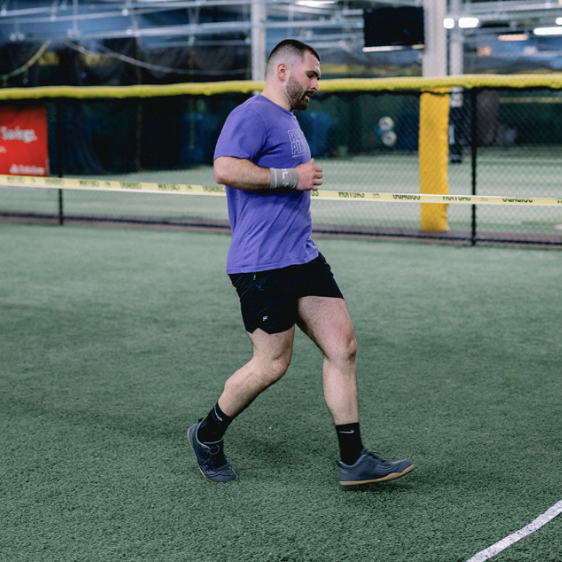
Wondering how often you should workout? Discover the ideal workout schedule for beginners, members, and 55+ to see results without burnout.
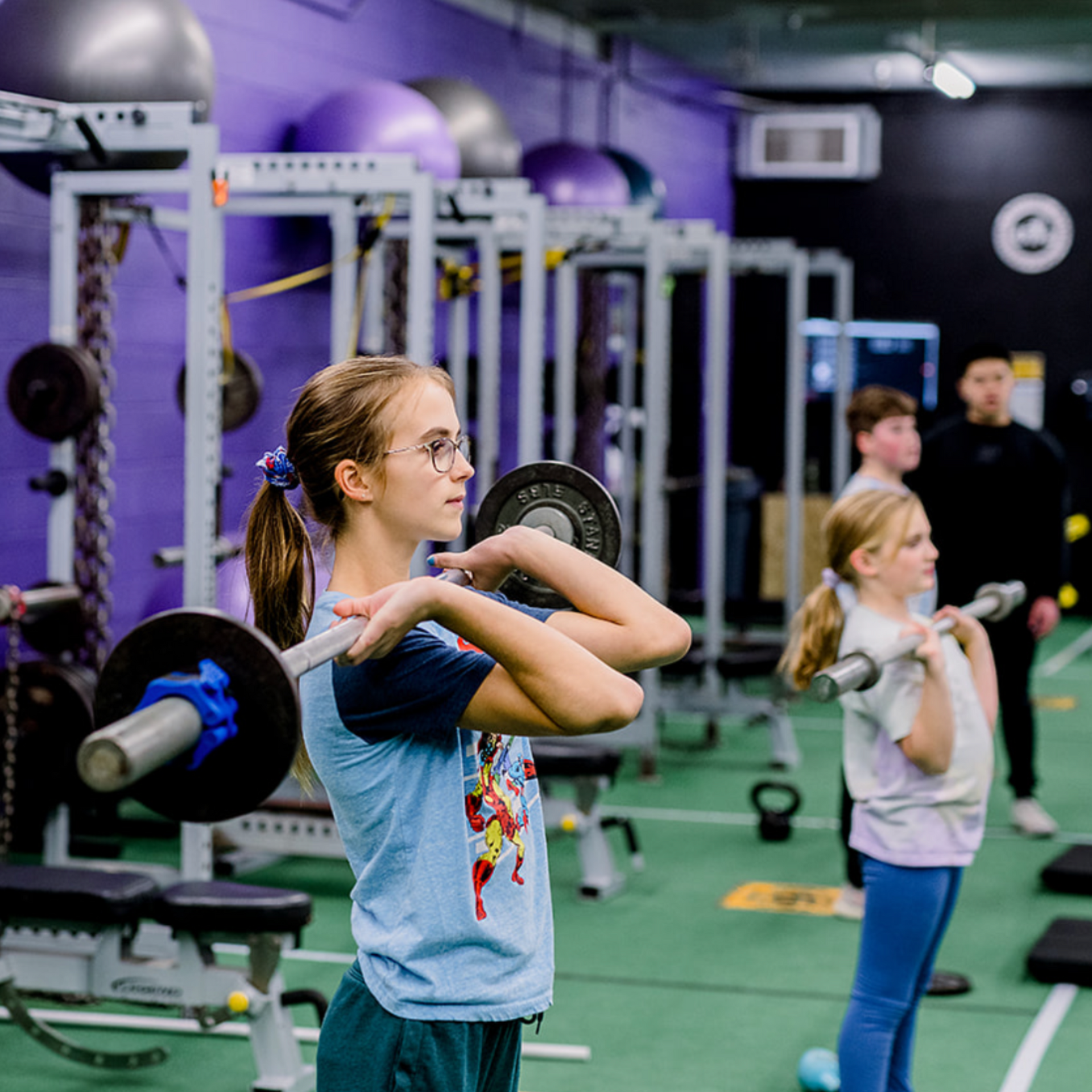
Is youth strength training safe? Learn the truth about kids lifting weights and how it builds confidence, strength, and long-term health.