CrossFit for Longevity: How Training Changes as You Age

March 2, 2026

Train Smart Today. Stay Strong for Life.
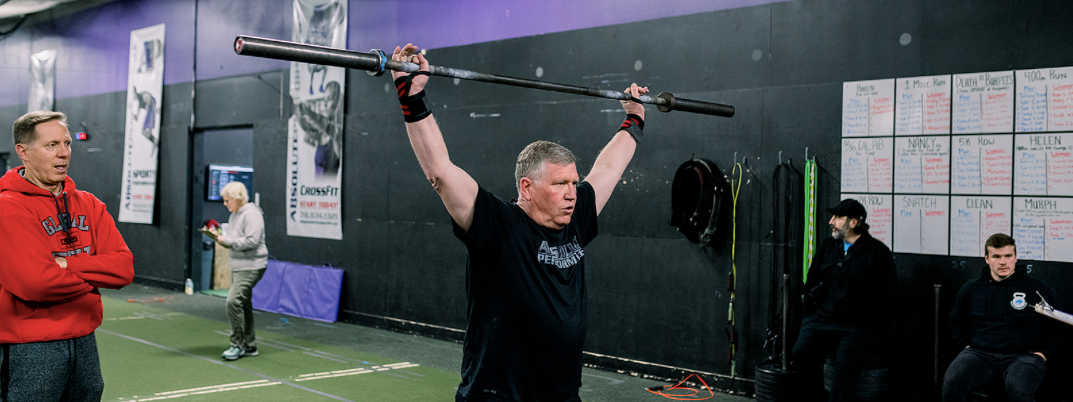
As we age, our goals shift. It’s no longer just about PRs — it’s about energy, strength, mobility, and staying independent.


That’s where CrossFit longevity comes in.


Done correctly, CrossFit builds muscle, protects joints, improves heart health, and keeps you strong for decades. The key? Smart scaling and intentional training.

Why CrossFit Longevity Matters After 40

After 30, we naturally lose muscle and bone density. Strength training helps slow — and even reverse — that decline.

Benefits for 40+ and 55+ adults include:


  • Preserving lean muscle
  • Improving balance and coordination
  • Strengthening bones
  • Boosting metabolism
  • Supporting heart health
  • Reducing injury risk


The foundation of CrossFit — functional movements at the right intensity — is ideal for lifelong fitness.

But how you train evolves.

How Training Changes as You Age

1. Intensity Becomes Strategic

You don’t need to go all-out every day. Smart intensity = long-term progress.


2. Scaling Is Smart

Scaling means personalizing workouts:

  • Lighter loads
  • Lower impact
  • Controlled tempo
  • Reduced volume

Scaling isn’t weakness — it’s wisdom.


3. Strength Is Non-Negotiable

For adults 40+ and especially 55+, resistance training is essential for maintaining muscle and independence.


4. Recovery Matters More

Sleep, mobility, hydration, and rest days become part of the plan — not an afterthought.

Training After 55

At 55+, the focus shifts to:


  • Joint-friendly strength
  • Balance and stability
  • Moderate conditioning
  • Consistency over intensity


The goal?
Move well. Stay strong. Live fully.

Ready to Start Your CrossFit Longevity Journey?

If you’re 40+ or 55+ and want to train smart for long-term health:

Built specifically for adults who want strength, energy, and community.


Learn proper technique, safe scaling, and how to train for longevity from day one.

You don’t need to train like you’re 25 to feel incredible at 55.
You just need to train smart.
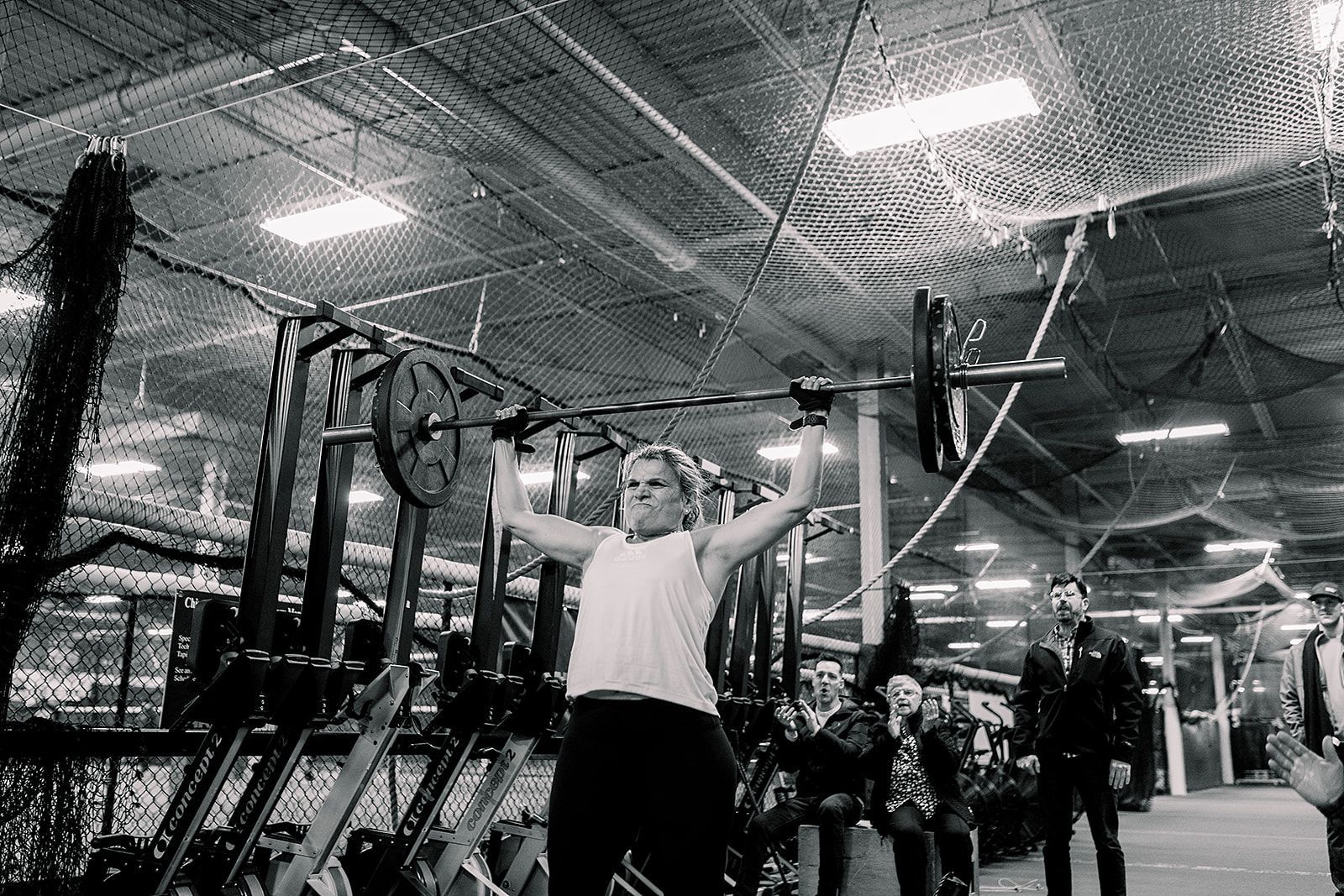

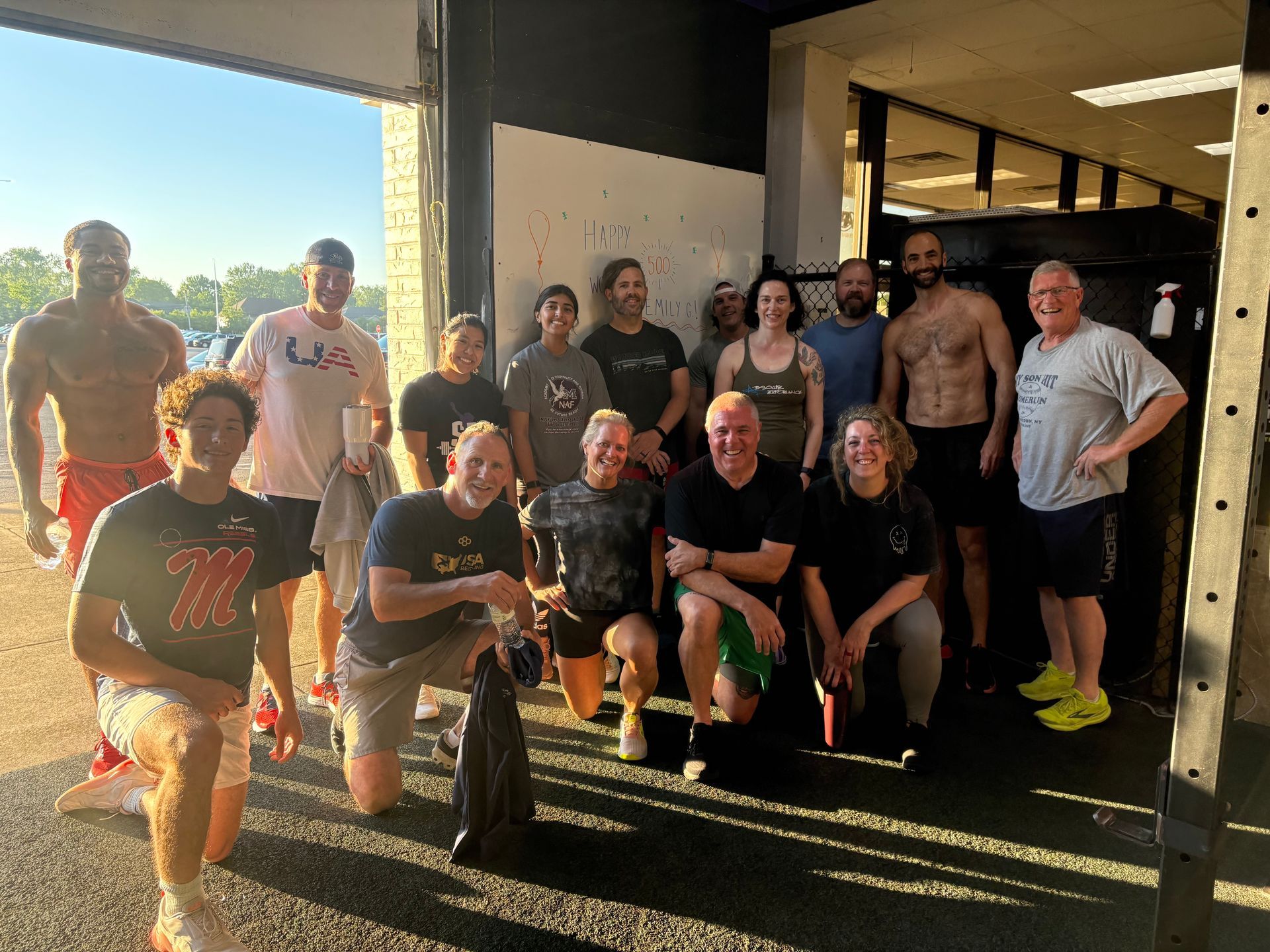
Try a class. Join Legends (55+). Find your fitness community.
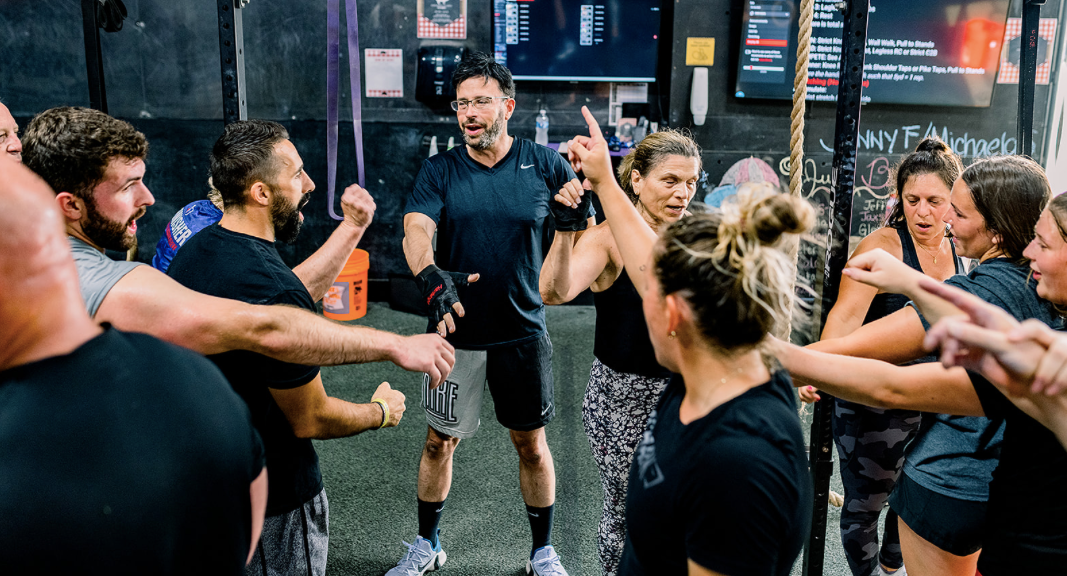
Adults working out together in a CrossFit class, showing support, motivation, and community vibes
February 23, 2026
Discover how a fitness community after 30 keeps you motivated, accountable, and consistent. Join CrossFit and reach your goals with support.
CrossFit Open athletes cheering during a workout at a CrossFit gym in Williamsville NY
February 16, 2026
Thinking about the CrossFit Open? Learn why athletes of all levels in Williamsville NY and the Buffalo area should sign up and get involved.
Youth strength training class with coach in Williamsville NY improving speed, confidence, and safe m
February 9, 2026
Discover the top youth strength training benefits. Safe, science-backed coaching for kids in Williamsville NY & Buffalo. Build speed, strength, confidence.
CrossFit Open athletes training at a CrossFit gym in Williamsville NY near Buffalo
February 2, 2026
Prepare for the CrossFit Open at a Williamsville NY CrossFit gym serving the Buffalo area with beginner-friendly scaling and coaching.
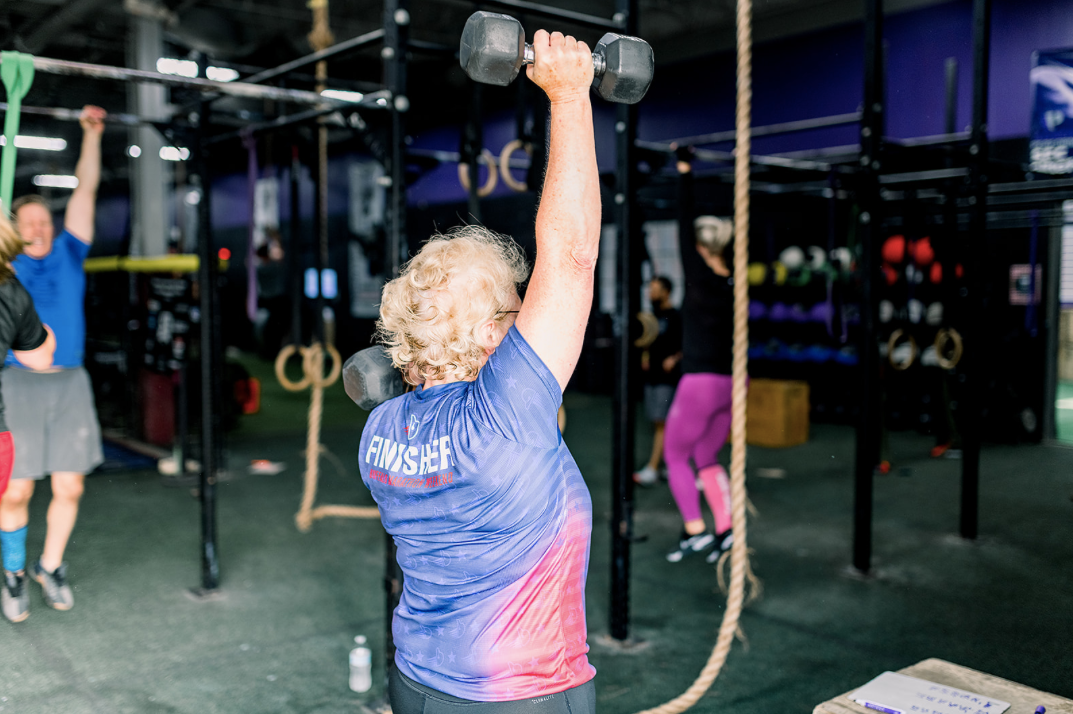
Seniors lifting weights in a 55+ class, improving strength, balance, and bone health
By Frank Berrafato January 26, 2026
Discover how strength training for seniors boosts bone density, balance, and independence. Join a 55+ class and start getting stronger today!
CrossFit class with beginners learning exercises with a coach in a supportive environment
January 19, 2026
Discover the real difference between CrossFit vs gym. Coaching, community, and accountability make results easier. Try a Free Month today!
Kids and teens participating in a youth athlete combine, building confidence and athletic skills
January 12, 2026
Join our Feb 16 youth athlete combine for kids & teens 7–18. Build confidence, improve performance, prevent injuries, and have fun in a safe event!
Adults starting CrossFit in January, beginner-friendly class with supportive coaching and community
January 9, 2026
Start CrossFit this January! Beginner-friendly workouts, supportive community, and a Free Month until Jan 31 to build confidence and stay consistent.
November 17, 2025
Why the Playground Moves Matter Children instinctively run, jump, climb, crawl and swing—movements that mirror the functional patterns used in coaching youth fitness. These foundational movement skills build coordination, balance, body awareness and mobility. When we package these movements in a fun, age-appropriate way, kids stay engaged and develop athletic competence naturally. By bridging the gap between play and structured training, youth CrossFit helps kids consolidate a strong movement foundation. This means that when they later engage in sports, organized training, or higher-level fitness, they’re already equipped with the basics. The Benefits of a Youth-Focused CrossFit Approach A dedicated kids CrossFit program offers several key advantages: Improved athletic capacity → When kids train with varied, functional movements (running, hopping, carrying, jumping), they build strength, speed, balance and endurance. Better movement literacy → Learning proper mechanics early helps children move more efficiently, reducing risk of injury and improving performance across sports. Confidence and mindset → As children master new skills, they gain self-belief, resilience, and learn that progress comes through effort and practice. Healthy habits for life → Early exposure to structured movement, fitness and positive coaching fosters lifelong attitudes toward health, activity and personal growth. Social skills & teamwork → Many youth classes use partner or group work, building communication, leadership and camaraderie among young athletes. Progression: From Free Play to Structured Performance Let’s break down the journey into stages, to give coaches and parents a clear roadmap. 1. Exploration & Fun (Ages ~5-8) Focus: Getting kids moving and playing, reinforcing basic movement patterns (run, jump, hop, crawl). Environment: Minimal equipment, short sessions, lots of games and movement variability. Goal: Build comfort in moving their bodies, exploring what the body can do, and beginning to control motion and space. 2. Skill Building & Basic Strength (Ages ~8-12) Focus: Introducing body-weight strength (squats, lunges, carries), light resistance, coordination drills, agility. Environment: Structured warm-ups, short skill blocks, fun workouts with challenges. Goal: Improve movement quality, build the “engine” for athletic performance, reinforce the habit of showing up and training. 3. Performance-Ready & Sport Transfer (Ages ~12-Teen) Focus: More advanced strength training (light barbells, kettlebells), plyometrics, agility/speed work, sport-specific drills. Environment: Longer sessions, goal setting, measurable benchmarks, peer support and friendly competition. Goal: Develop an athletic foundation that supports sport performance or higher-level fitness, prepare for transitions (e.g., high school sport, competitive programs). What Coaches and Parents Should Focus On Age-appropriate instruction: Make sure the coach and program scale movements, loads and complexity to a child’s stage of development. Movement quality over load: Emphasize form and control before adding weight or speed—especially for younger children. Fun, variation & progression: Kids thrive when workouts feel like games and challenges rather than chores. Vary activities and progress complexity gradually. Positive coaching environment: Encourage, celebrate effort and improvement, cultivate a growth mindset rather than just outcomes. Connection to sport or life skills: Help children see how what they’re doing translates into sports, play, life activities (running faster, jumping higher, being more agile). Safety & supervision: Qualified coaches, age-appropriate equipment, clear instruction and attentive oversight matter a lot. Consistency & mindset: Frequent engagement, incremental progress, and reinforcement of habits matter far more than occasional “big” sessions. Ready for the Podium: What That Looks Like “Podium” might mean different things depending on the child: It could be winning a medal, attaining a school sports starting spot, improving performance, or simply moving and feeling confident in their body. Here’s what “podium readiness” might look like for a youth CrossFit athlete: They can perform foundational movements (squat, hinge, push, pull, carry) with confidence and good mechanics. They demonstrate improved agility, speed, power (jumping, sprinting, changing direction) that transfers into their sport or play. They show mental resilience: they’re willing to try new movements, fail, correct, and improve. They understand habits of nutrition, recovery, movement—not because they’re told, but because they live them. They engage with peers, support one another, enjoy workouts, and see fitness as part of their identity. Final Thoughts Helping children move from playground fun to podium-level readiness isn’t about rushing them into heavy weights or complex training too soon. It’s about guided progression, fun movement, skill development, and empowering them to believe in what their body can do. When we get the foundation right, kids who engage in a well-designed CrossFit youth program gain much more than fitness: they gain confidence, resilience, movement competence, and habits that will serve them long beyond childhood sports.
October 22, 2025
1. Build a Strength and Power Base Before chasing top-end speed or fancy agility drills, you have to have the physical capacity to handle them. A strong, well-prepared athlete is less likely to get injured and more likely to improve when you add more complex work. What to focus on: Compound lifts such as squats, deadlifts, lunges, and hip-hinge movements, to build lower-body strength and force production. Sources emphasize that “strength is the foundation for speed and agility.” Plyometrics (“jump” or “explode” exercises) to train the nervous system and improve how quickly you can apply that strength. For example, box jumps and lateral bounds. Ensure that strength and power work is coordinated with movement quality (hips, ankles, posture) so that when you speed up or change direction, your body can handle it. Tip: Dedicate 2–3 days per week (depending on your sport load) to strength/power. Off days you’ll have for skill, speed/agility, recovery. 2. Focus on Acceleration and Sprint Mechanics Speed isn’t just how fast you can go—it’s how quickly you can reach that speed and how efficiently you move. The off-season is perfect for refining your sprint technique and your first few explosive steps. Key points: Work on start/drive phase: how you push off the ground, body lean, foot strike, arm swing, posture. For example, proper posture: eyes up, chin level, shoulders slightly ahead of hips. Use short sprints (10-30 yards/meters) to focus on acceleration, not fatigue. Use resisted sprints (bands, sleds) or hill sprints to build force and power in the sprint start and drive phase. Tip: Warm up thoroughly before sprint work and limit the number of maximal efforts per session to preserve quality. Quality > volume. 3. Train Change of Direction, Agility & Reaction Skills Many sports don’t rely only on straight-line speed—they rely on agility: changing direction, reacting quickly, decelerating, and then accelerating again. The off-season gives you time to practice these movements deliberately. What to incorporate: Cone drills, ladder drills, and shuttle runs. For example: the “5-10-5” shuttle, W-drill, chaos drill, and zig-zag cone patterns. These teach you how to change direction quickly, decelerate, and re-accelerate. Reaction drills: Have a partner or coach give a visual or auditory cue and you respond (cut, shuffle, sprint). This trains cognitive/physical link and game-like movement. Deceleration training: Many non-contact injuries occur when slowing down or changing direction. Teach yourself to decelerate safely and effectively. Tip: Start slower, emphasize technique, and gradually add speed. Especially important for younger athletes or those new to agility work. 4. Prioritize Mobility, Stability & Recovery Speed and agility are only as good as your body’s ability to move freely, stay stable, and recover between hard efforts. Without proper mobility and recovery, you increase injury risk and limit progress. Key areas to address: Mobility: hips, ankles, thoracic spine, hamstrings. These joints/areas play big roles in running, cutting, and accelerating. Stability and control: single-leg strength, glute activation, core control—especially important for change of direction and landing mechanics. Recovery: ensure you get adequate sleep, hydrate well, eat appropriately, and allow rest days or low-intensity days. Overtraining in off-season ruins progress. Tip: Use dynamic warm-ups before every session (leg swings, A-skips, hip openers), and include a cooldown (foam roll, static stretch) afterwards. On recovery days you might do light movement or mobility work. 5. Structure Progression & Track Your Improvements The off‐season gives you an opportunity to systematically improve rather than just “show up.” By structuring your work and tracking results, you’ll see progress and build confidence heading into the season. How to implement this: Use periodization: e.g., early off-season = strength and general conditioning; mid off-season = introduce speed/acceleration drills; late off-season = sport-specific agility and reactive work. Set measurable benchmarks: time a 10- or 20-yard sprint, record a 5-10-5 shuttle time, measure jump or bound distance. Progress drills over time: increase complexity of agility drills, increase speed, reduce rest, add reactive cues. Monitor fatigue and load, especially for high school athletes, balance training volume and intensity to avoid burnout or injury. Tip: Keep a simple training log: date, drill, reps/sets, notes (how you felt, mechanics, times). It helps you see where you’re improving and where you might be stalling. Improving speed and agility isn’t about doing a ton of “random sprints” or “lots of cone drills.” It’s about building a system: a strong foundation, efficient mechanics, reactive movement, mobility & recovery, and thoughtful progression. If you use this off-season wisely—applying these five strategies—you’ll walk into your next season faster, sharper, more explosive, and ready to win the first step. Looking to take your athletic game to the next level? Stop by Absolute Performance for a free intro session to tour our facility, meet our coaches, and see how we can help you train smarter, harder, and stronger!